Six Decades of Mustang: How the Pony Car Got Here
People ask me why the Mustang still matters. The answer is in the history, so here it is, the way I'd tell it across my desk.
1964: A Mustang at the World's Fair
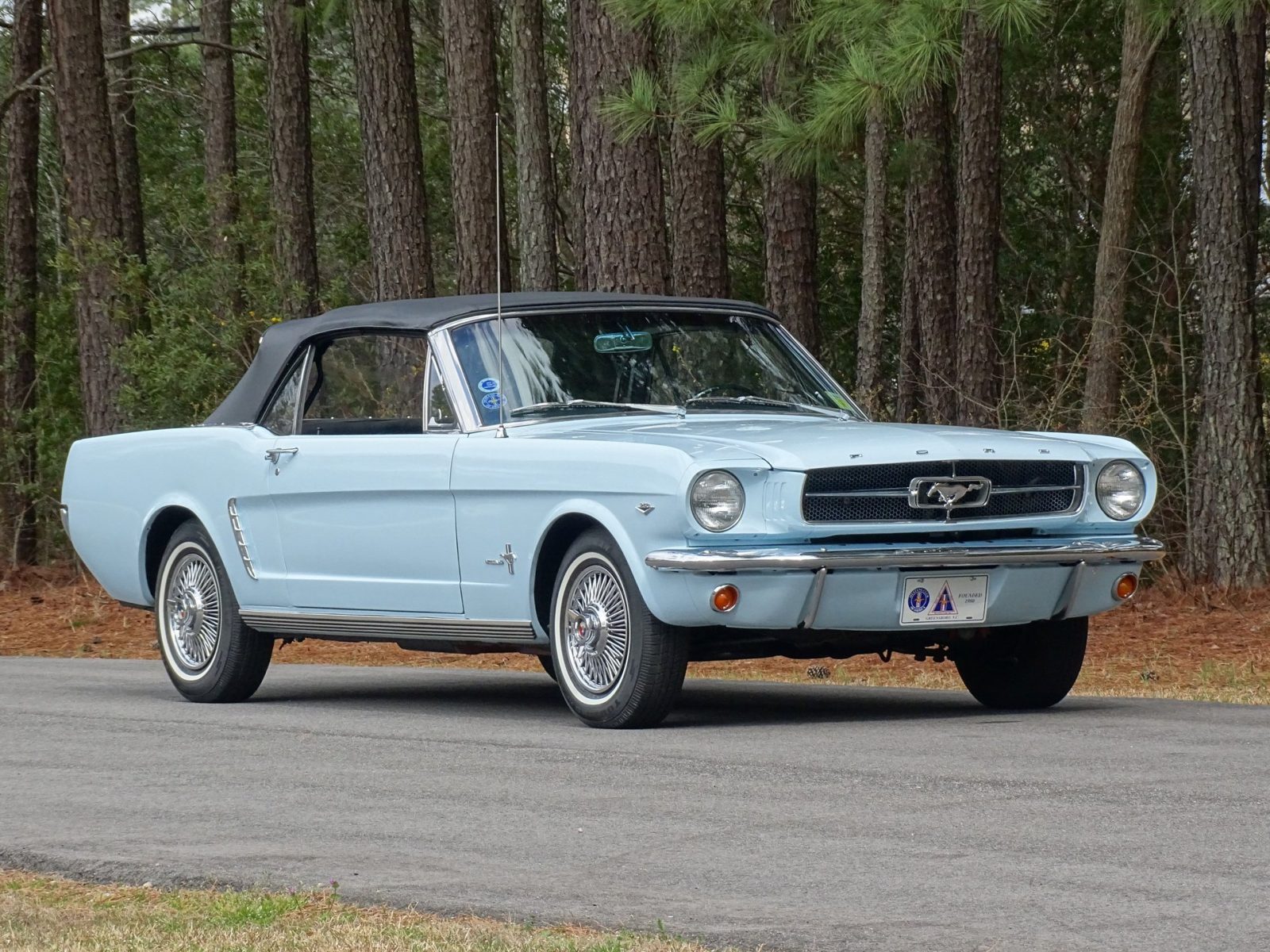
Ford showed the production Mustang at the New York World's Fair on April 17, 1964, and it went on sale that day. A couple of days earlier, a customer named Gail Brown bought what's believed to be the first retail Mustang, a blue convertible, from a Chicago dealer.
Ford took about 22,000 orders on day one. The company had expected around 100,000 sales a year. It sold 418,812 in the first year, the best first year ever for an all-new model, and passed one million on March 2, 1966.
The base car came with a 170-cubic-inch six and a three-speed manual. The idea was simple: a sporty car that regular people could afford, with an option sheet that let you build it your way. That's still the Mustang formula.
1965 to 1969: Shelby, Bullitt, and the Boss years
Carroll Shelby turned the Mustang into a real performance car. The 1965 Shelby GT350 came with a 306-horsepower, 289-cubic-inch V8. In 1967, the GT500 arrived with a 428-cubic-inch V8 rated at 355 horsepower, and the Mustang got a full fastback roofline.
The big-block era followed. In 1968, the 428 Cobra Jet joined the lineup. That year the movie Bullitt premiered, with a Highland Green Mustang GT 390 fastback in the lead, and the car became a legend.
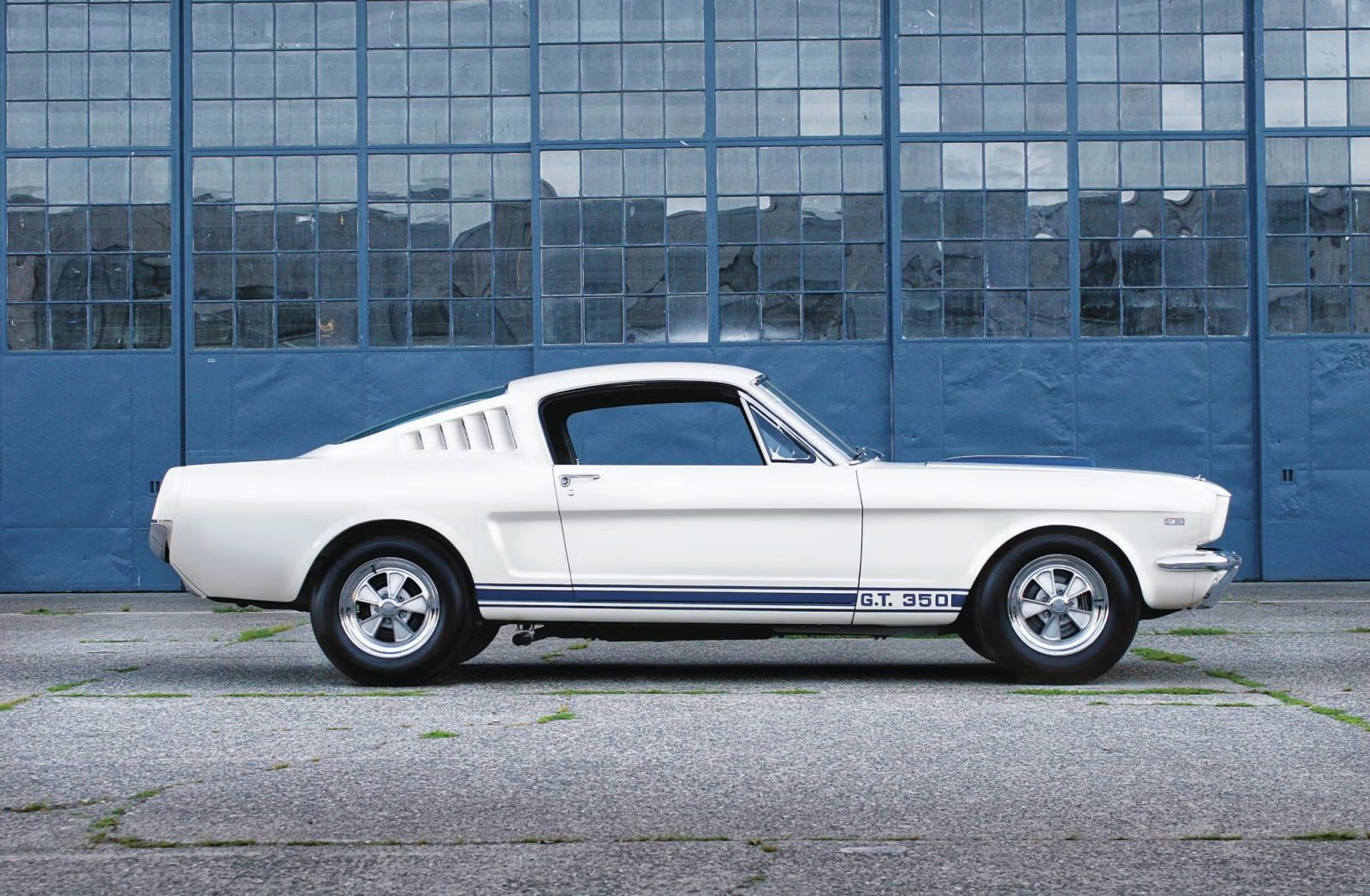
1969 was a big year. The Boss 302 and Boss 429 debuted, rated at 290 and 375 horsepower, and so did the Mach 1. The Shelby GT350 and GT500 are two I know well, and this is where they come from.
1971 to 1978: The rough stretch
I'll be honest: this was a hard time. The 1971 Mustang was the biggest ever, nearly a foot longer and about 700 pounds heavier than the original. Then insurance costs, emissions rules, and the fuel crisis hit performance cars hard.
The 1974 Mustang II was 19 inches shorter and 490 pounds lighter than the 1973 car. It came with a four-cylinder making 88 horsepower or a V6 making 109, and no V8 at all. A small V8 came back in 1975 at 133 horsepower.
It sold, but enthusiasts weren't happy. Every great car has a chapter like this, and the Mustang's only made the comeback better.
1979 to 1995: The Fox body and the return of the 5.0
The Fox-platform Mustang arrived in 1979, about 200 pounds lighter than the Mustang II, with a 5.0-liter V8 option making 140 horsepower. In 1982, the Mustang GT came back after a 12-year absence with a 157-horsepower 5.0. By 1983, it made 175 and the convertible returned.
That car became a culture. Light, loud, easy to modify, and a favorite at the drag strip. Ford ended the 5.0 in 1995, but the badge never left.
The SVT Mustang Cobra debuted in 1993, putting factory performance back on the map. The 1994 redesign changed 1,330 of the car's 1,850 parts, with the GT at 215 horsepower and the Cobra at 240.
1996 to 2010: Modular power, retro looks, and a Shelby comeback
In 1996, the 4.6-liter modular V8 replaced the small-block. The 1999 SVT Cobra made 320 horsepower and got the first independent rear suspension on a Mustang, and the 2000 Cobra R brought the first six-speed manual.
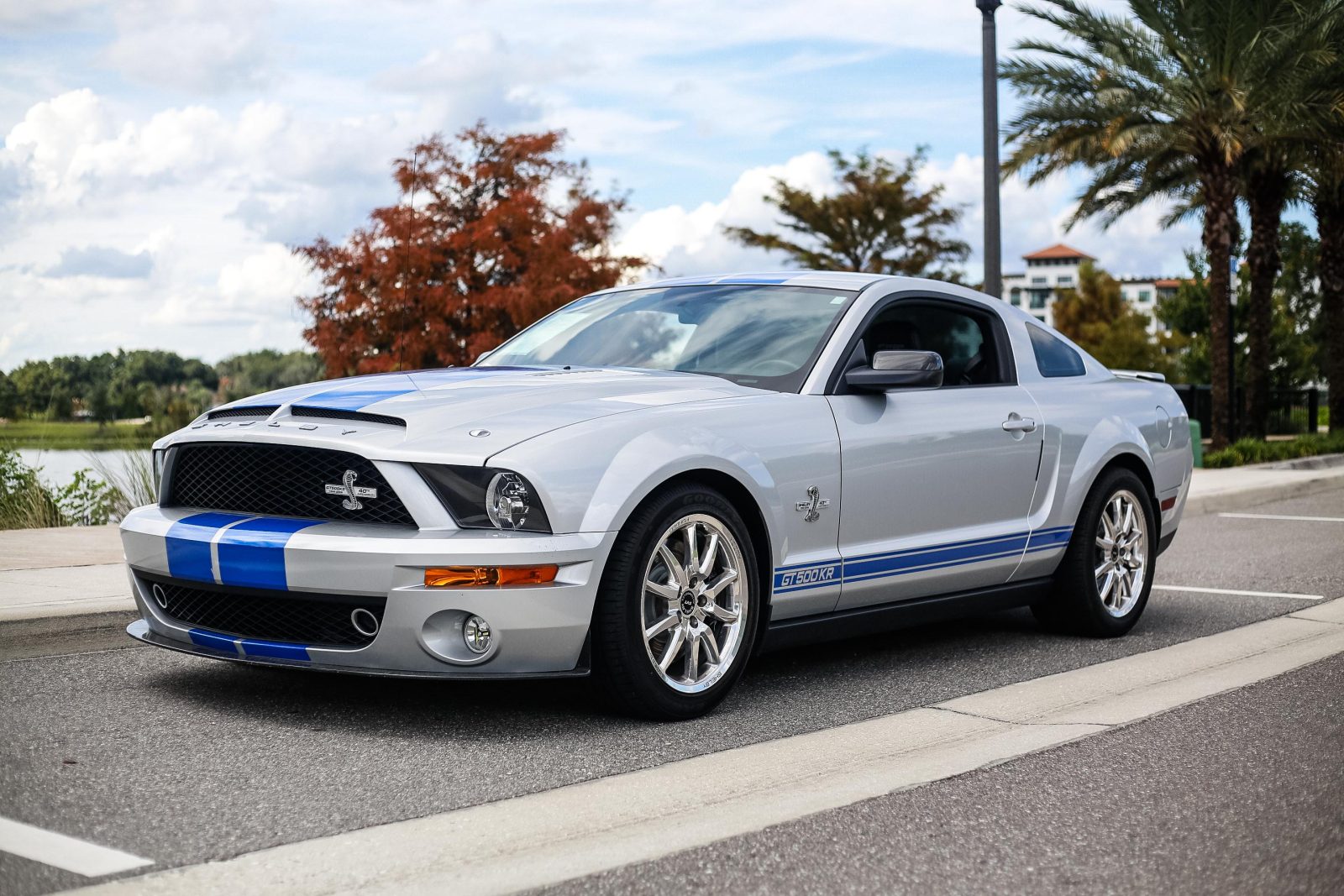
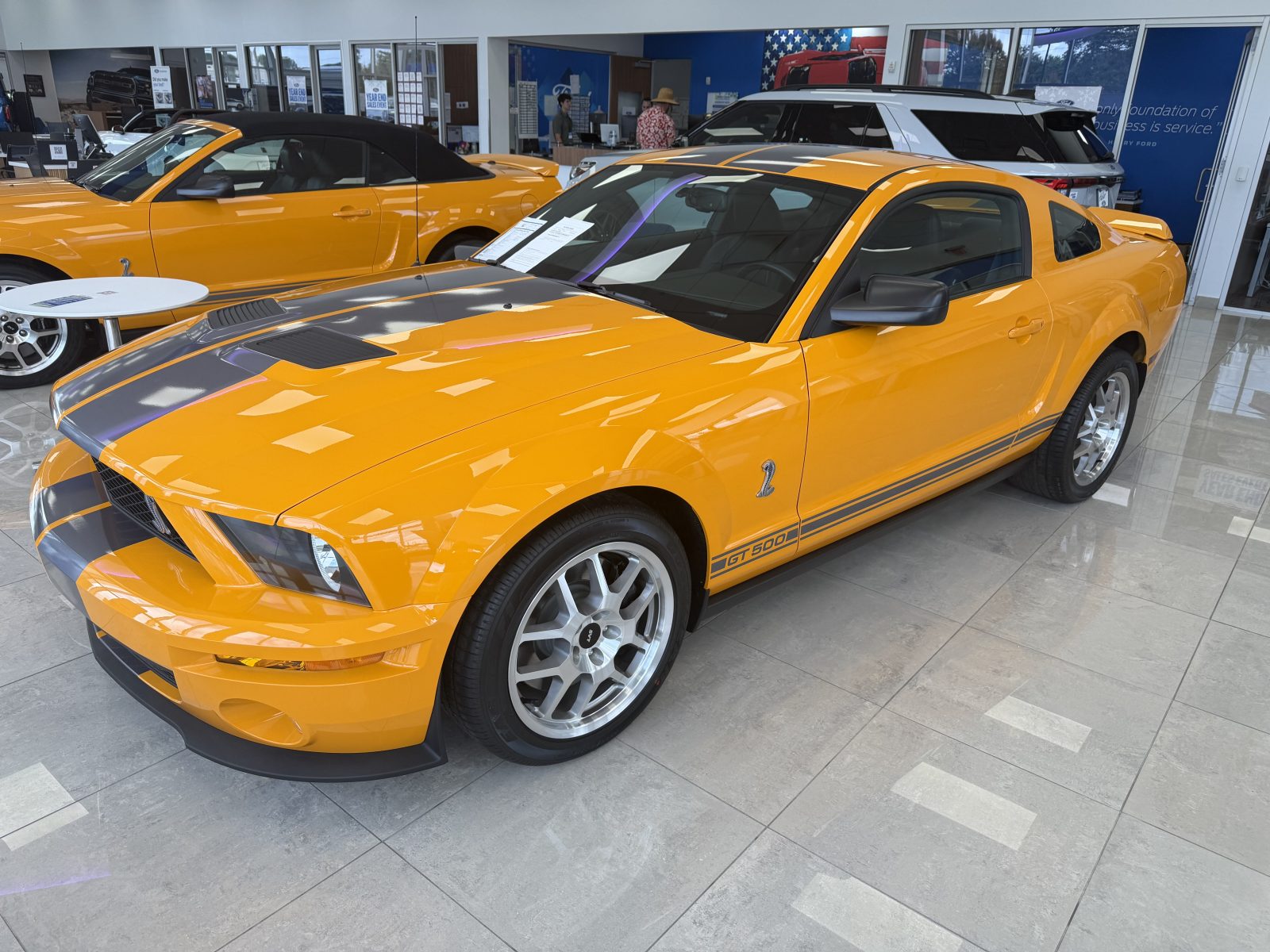
The 2005 Mustang rode on a new platform and brought back the classic look with a modern car underneath. In 2007, the Shelby GT500 returned with a supercharged 5.4-liter V8 making 500 horsepower.
2011 to 2014: The Coyote arrives
The 2011 Mustang got the new 5.0-liter Coyote V8 making 412 horsepower, and the horsepower race was back on. The revived Boss 302 made 444 horsepower, and the 2013 Shelby GT500 reached 662 horsepower and a top speed over 200 mph.
2015 to 2023: A global car with a track edge
The S550 was the sixth-generation Mustang, and it was the first with independent rear suspension across the whole lineup. The GT started at 435 horsepower in 2015 and went to 460 in 2018.
Then the special cars showed up. The Shelby GT350 ran from 2016 to 2020 with a 5.2-liter flat-plane-crank V8 rated at 526 horsepower, Ford's first production V8 built that way. The Bullitt and Mach 1 each made 480. And the 2020 Shelby GT500, with a supercharged V8 and a dual-clutch transmission, was rated at 760 horsepower.
2024 to today: Dark Horse, SC, and GTD
The seventh-generation Mustang arrived for 2024. The Dark Horse makes 500 horsepower and is built for people who want a track-ready Mustang. Above it sits the Dark Horse SC, a supercharged 5.2-liter V8 making 795 horsepower. At the top is the Mustang GTD, rated at 815.
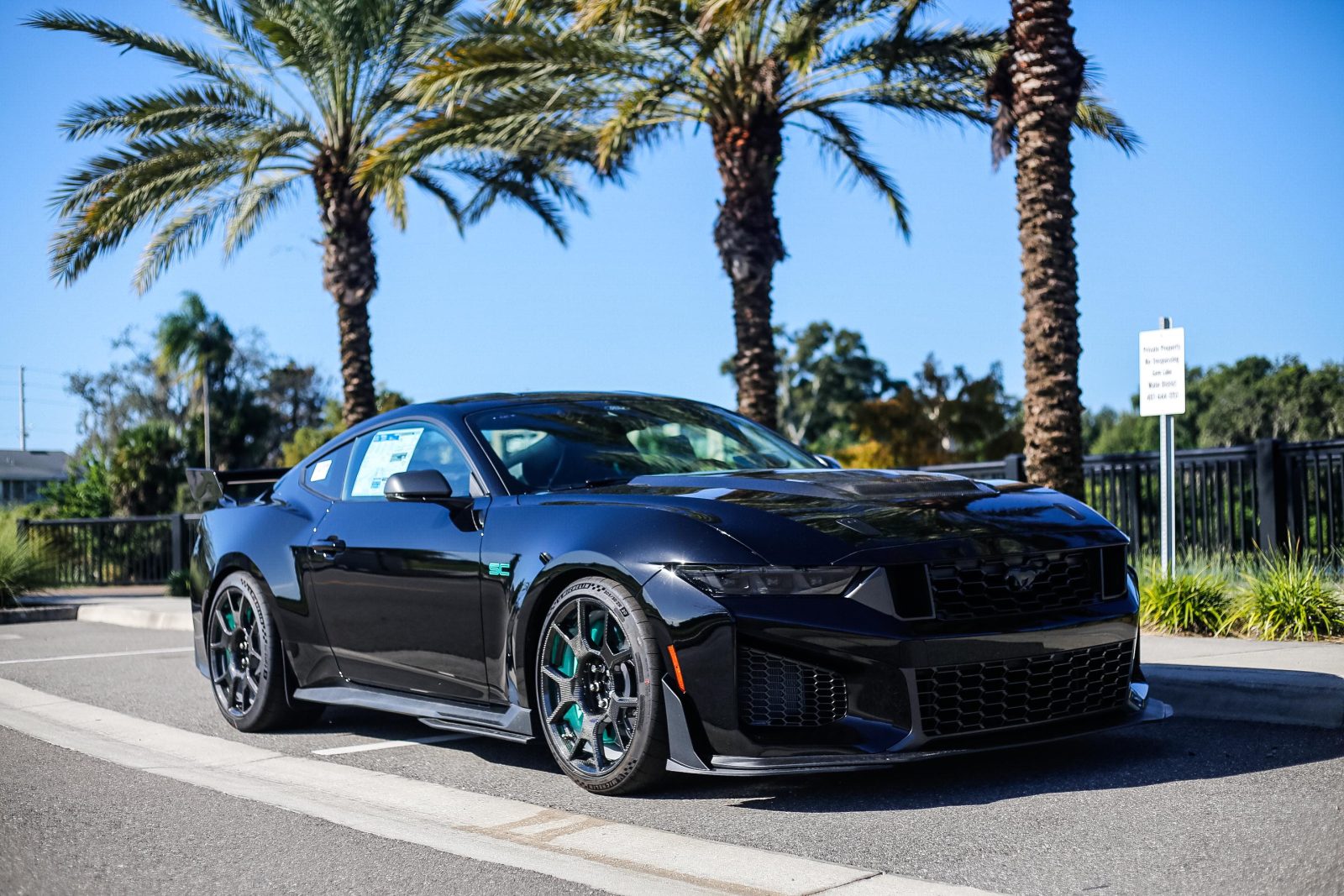
And it's selling. Through September 2026, Mustang sales reached 38,685 cars, up 17.9% from the year before.
What it all adds up to
Sixty years on, the Mustang has kept the same idea: a car you can afford, a car you can build your way, and a V8 that sounds right. It's been through a lot, and it's still here.
The Mustang has always been about getting a great car into the driveway of someone who loves it.
If you're thinking about your first Mustang, or your fifth, call/text @ 818-298-1457 or email [email protected]. I'll tell you straight which one fits.
Until next time, keep it between the lines.
Heath Patterson
Performance & Specialty Brand Manager, Holler Ford, Maitland, Florida